
ArSHA Fall Conference
October 24, 2026
Northern Arizona University
Flagstaff, Arizona
Hotel Information
Embassy Suites Flagstaff
706 Milton Road
Flagstaff, AZ 86001
A special room rate of $169 on Friday, October 23 will be available until October 1, 2026, or until the room block is sold out, whichever occurs first.
Reservation link:https://group.embassysuites.com/4f68ia
Hotel Phone Number: 928.774.4333
Group Code: SLH
Parking Information:
Cost: $10
The two lots attendees can park in are P48 and P45 (circled in red). We are building 66. Everyone will need to pay at the kiosk using code 4690 and park in any open stall (non-reserved spaces – e.g., there are some spaces that say clinic parking only). This arrangement is only for the day of the ArSHA Conference, October 24, 2026. If any attendees come another day and use this code in these lots, they can potentially get a ticket.
Registration
Registration Fees include breakfast and lunch.
Join or Renew your ArSHA membership now with your Fall Conference registration and your membership will remain current through December 31, 2027
SLPs/Audiologists $30 member/$60 non-member
SLPAs $20 member/$40 non-member
Students $0 member/$15 non-member
ArSHA Members, click here to register.
ArSHA Non-Members, click here to register.
Cancellation/Refund Policy
Cancellations accepted until October 9, 2026. A $25 processing fee will be deducted from registration fees paid.
Student Lunch Session
12:30 pm – 1:20 pm
Take your next step with confidence! This moderated student session brings connects students with hiring managers, recruitment specialists and early-career SLPs and audiologists to share real-world advice on standing out in the job market, achieving work-life balance, and successfully navigating the transition from student to professional. Don’t miss this invaluable opportunity to learn, connect and launch your career with confidence!
CEs will not be provided for this session.
Presentations
8:10am-9:40am
S1 The Supervisory Working Alliance
Presented by: Kelly Ingram, MS, CCC-SLP
Effective supervision extends beyond ensuring clinical competence—it is about cultivating a strong supervisory working alliance that promotes learning, professional growth and successful transitions into clinical practice. Whether supervising a clinical fellow (CF), speech-language pathology assistant (SLPA), graduate student or newly hired clinician, supervisors have a profound influence on the development of future professionals. This presentation explores practical strategies for building meaningful supervisory relationships grounded in the philosophy, “Do unto others as you would have done to you—not as was done to you.” Participants will examine how intentional mentorship, adult learning principles and collaborative supervision models can foster trust, accountability and professional confidence. The session will review the regulatory responsibilities that guide supervision across clinical settings, introduce key resources that support evidence-based supervisory practice and discuss ways to align supervisory expectations with the cultural and generational values of today’s learners while maintaining high standards of professionalism. Emphasis will be placed on recognizing the lasting impact supervisors have on the professional identity, competence and retention of emerging clinicians. Participants will leave with practical tools to strengthen the supervisory working alliance and create supportive learning environments that benefit supervisees, supervisors and ultimately the clients they serve.
Learner Outcomes: After completing this course, participants will be able to:
- Describe the roles and responsibilities of supervisors and mentors across supervision models, including clinical fellowship (CF) mentors, speech-language pathology assistant (SLPA) supervisors and graduate internship supervisors.
- Explain collaborative models of supervision, including the principles of the supervisory working alliance and apply them to support effective mentoring relationships.
- Identify and access at least three professional resources that guide supervisory practice and help establish clear expectations for supervisors and supervisees.
- Describe priority values and expectations of current speech-language pathology students and early-career clinicians and integrate these considerations into a supervisory working alliance that balances professionalism, accountability and learner engagement.
Level of Learning: Intermediate
S2 Barriers to Patient-Centered Care in Various Medical Settings
Presented by: Jessica Lasky, MS, CCC-SLP
This presentation will focus on various barriers to providing high quality, patient-centered care, in various medical settings including acute care, IRF, skilled nursing, home health, and out-patient.
Learner Outcomes: After completing this course, participants will:
- The learner will be able to identify 2 barriers to patient centered care.
- The learner will have 3 resources to access information for improved patient care and clinical outcomes.
- The learner will be able to demonstrate improved problem solving when faced with barriers in a variety of clinical settings.
Level of Learning: Intermediate
9:50am-11:20am
S3 You Are the Intervention: The Human Factors Behind Effective Therapy
Presented by: Laura Weinrich, MS, CCC-SLP
Research consistently demonstrates that client outcomes are influenced not only by clinical techniques and treatment approaches, but also by the characteristics and behaviors of the clinician. This presentation explores the “human factors” that contribute to effective therapy, including therapeutic alliance, authenticity, communication style, self-awareness and professional identity. Participants will examine evidence related to therapist effects across helping professions and consider how cultivating these qualities can enhance clinical effectiveness, strengthen therapeutic relationships and improve client outcomes.
Learner Outcomes: After completing this course, participants will be able to:
- Define the common factors model and explain how it differs from a treatment-specific view of why therapy works.
- Summarize what research across helping professions shows about clinician effects on client outcomes and describe what speech-language pathology research has established.
- Identify at least four clinician attributes and behaviors shown to strengthen the therapeutic alliance and describe how to apply two of them in their own clinical setting.
Level of Learning: Intermediate
S4 Diné Parent Empowerment: Autism Education and Family Support
Presented by: Davis E. Henderson, PhD, CCC-SLP; Olivia Lindly, PhD; Keona Hosteen, MS
Autism spectrum disorder (ASD) is a neurodevelopmental condition characterized by differences in social communication and the presence of restricted or repetitive patterns of behavior. ASD affects approximately 1 in 36 children in the United States, and many autistic individuals require ongoing services and supports across the lifespan. Access to these resources, however, remains limited in many rural and Indigenous communities. The Diné Parents Taking Action project sought to address these disparities by engaging Diné (Navajo) parents of children with ASD, culturally adapting Parents Taking Action (PTA), an evidence-based parent education and training program, for Diné families and conducting a pilot study to evaluate the feasibility and acceptability of the culturally adapted program. Parent interviews identified a need for greater autism-specific awareness, family support groups and accessible services within and surrounding the Navajo Nation. Findings from the pilot study and participant feedback informed the development of the extension project, Autism Support, Community and Education in the Navajo Nation through the Diné Parents Taking Action Program (ASCEND). ASCEND builds upon the Diné PTA initiative by promoting the sustainability and broader dissemination of culturally responsive autism education, support and resources for Diné families, with the overarching goal of addressing inequities in access to autism-related services and supports within the Navajo Nation.
Learner Outcomes: After completing this course, participants will be able to:
- Expand culturally responsive autism education and support for Diné families.
- Strengthen community connections and autism-related resources across the Navajo Nation.
- Sustain and expand the Diné Parents Taking Action program to improve access to autism services and supports for Diné children and families.
Level of Learning: Intermediate
11:20am-12:20pm
S5 From Recommendation to Reality: Addressing Social Determinants of Health in SLP Practice
Presented by Ivonne Maldonado-De la Rosa, PhD, MLS, CCC-SLP
Social determinants of health (SDOH) can influence an individual’s access to, participation in and outcomes of speech-language pathology services. Factors such as economic stability, healthcare access, transportation, language, education, geographic location and social support may affect whether recommendations can be realistically implemented. This presentation will explore how SDOH may influence SLP services and clinical decision-making across the lifespan. Through case examples, participants will examine the gap that can occur between making an appropriate recommendation and implementing that recommendation within the realities of an individual’s or family’s life. Practical strategies will be discussed to help SLPs recognize barriers, ask about individual and family needs, adapt recommendations when appropriate, connect individuals with available resources and advocate for improved access to services.
Learning Outcomes: After completing this course, participants will be able to:
- Identify social determinants of health that may impact access to and participation in SLP services.
- Explain how SDOH may influence clinical recommendations and outcomes across SLP practice.
- Discuss strategies to address barriers and advocate for equitable access to SLP services.
Level of Learning: Intermediate
S6 Listening and Spoken Language Certification: Working with Deaf and Hard of Hearing Children
Presented by: Amanda Beneke, MS, CCC-SLP, LSL Cert. AVT
Children who are deaf and hard of hearing have greater access to spoken language than ever before through advances in hearing technology, including hearing aids and cochlear implants. However, access to sound alone does not ensure the development of listening and spoken language. Professionals must understand how to intentionally target audition, facilitate auditory skill development and coach families to create meaningful listening opportunities throughout daily routines. This presentation will provide an overview of the foundational principles of Listening and Spoken Language (LSL) intervention, emphasizing how auditory access, brain development and purposeful listening experiences work together to support spoken language outcomes. Participants will explore the hierarchy of listening skills and learn practical strategies for developing audition in children who use hearing devices. A central focus of Listening and Spoken Language intervention is coaching parents and caregivers. Coaching empowers parents and caregivers to become their child’s primary language facilitators by embedding listening and language strategies into everyday interactions. Participants will learn how family-centered coaching promotes parent confidence, increases child engagement and improves long-term communication outcomes. Finally, the presentation will introduce the Listening and Spoken Language Specialist (LSLS®) certification pathway, including certification requirements, mentorship expectations and professional competencies. Attendees will gain insight into the benefits of becoming certified and how the credential supports evidence-based practice and improved outcomes for children who are deaf and hard of hearing.
Learner Outcomes: After completing this course, participants will be able to:
- Describe the essential components of Listening and Spoken Language and explain the importance of targeting audition to build listening skills in children who use hearing aids and cochlear implants.
- Understand coaching strategies that empower parents and caregivers to become the primary facilitators of their child’s listening and spoken language development through everyday interactions.
- Identify the requirements, competencies and professional benefits of pursuing Listening and Spoken Language Specialist (LSLS®) certification.
Level of Learning: Intermediate
1:20pm-2:20pm
S7 Artificial Intelligence and the SLP
Presented by: Summer Stout-Bloyer, MS, CCC-SLP
Artificial intelligence (AI) is rapidly changing the way health care and educational professionals access information, develop materials, complete documentation and manage daily clinical responsibilities. For speech-language pathologists, AI offers opportunities to reduce administrative burden, support clinical preparation, individualize therapy materials, enhance patient and caregiver education and improve efficiency across school, medical, private practice and community-based settings. However, the use of AI also introduces important ethical considerations related to confidentiality, protected health information (PHI), informed consent, accuracy, bias, transparency, clinical competence and overreliance on AI-generated information. This one-hour presentation will provide speech-language pathologists with a practical introduction to generative AI and its potential applications within speech-language pathology. Participants will explore examples of currently available AI platforms and learn how AI may be used to assist with tasks such as brainstorming treatment activities, creating individualized therapy materials, developing caregiver education, adapting reading levels, organizing clinical information, drafting documentation, generating home programs and supporting professional writing and administrative tasks. Emphasis will be placed on the speech-language pathologist’s responsibility to maintain clinical judgment and independently verify AI-generated information. Participants will examine the distinction between using AI as an assistive tool and allowing AI to perform functions requiring professional clinical judgment. Ethical considerations will include HIPAA and FERPA considerations, organizational policies, informed consent, potential AI hallucinations, bias, confidentiality, appropriate use of client information and the importance of human review. Through demonstrations and clinical examples, participants will leave with practical strategies for incorporating AI into professional workflows while maintaining ethical, evidence-based, person-centered practice.
Learner Outcomes: After completing this course, participants will be able to:
- Identify at least four applications of artificial intelligence that may support speech-language pathology practice, including clinical preparation, documentation, therapy-material development, patient/caregiver education and administrative tasks.
- Differentiate between appropriate AI-assisted tasks and clinical decisions that require the professional judgment of the speech-language pathologist.
- Identify at least three ethical or professional risks associated with AI use, including confidentiality and PHI exposure, inaccurate or fabricated information, bias, informed-consent concerns and overreliance on AI-generated recommendations.
- Apply a structured prompting strategy to generate clinically useful materials while maintaining appropriate privacy protections and clinician oversight.
Level of Learning: Intermediate
S8 Are We Measuring Language… or Experience? What Every SLP Should Know.
Presented by: Fe Murray
Speech-language pathologists are increasingly asked to evaluate children who are multilingual or who speak a dialect of English that differs from Mainstream American English, yet many clinicians report feeling unprepared to make accurate diagnostic decisions. During this practical one-hour session, participants will learn evidence-based indicators for distinguishing developmental language disorder (DLD) from language and dialect variations. The presentation will highlight assessment approaches that help clinicians gather meaningful information about a child’s language abilities and experiences beyond standardized test scores. This session is designed for both monolingual and bilingual SLPs who seek greater confidence in making equitable diagnostic decisions and will provide practical resources and tools that can be applied in clinical practice.
Learner Outcomes: After completing this course, participants will be able to:
- Identify key indicators that help distinguish developmental language disorder (DLD) from language and dialect variations
- Describe evidence-based assessment practices for gathering meaningful information
- Apply practical resources and clinical decision-making strategies to improve the evaluation of multilingual and dialect-speaking children.
Level of Learning: Intermediate
2:30pm-3:30pm
S9 Sustainable Practice: Building a Career That Supports Both Clinician and Client Wellbeing
Presented by: Laura Weinrich, MS, CCC-SLP
If clinicians themselves are an essential component of effective therapy, how do we sustain the people providing care? This presentation examines burnout prevention through the lens of professional identity, values-based practice and clinician wellbeing. Participants will explore practical approaches to maintaining resilience, fostering career satisfaction and creating a sustainable practice that benefits both clinicians and the individuals they serve.
Learner Outcomes: After completing this course, participants will be able to:
- Describe the three dimensions of burnout and distinguish burnout from ordinary job stress.
- Identify the organizational conditions and individual factors that together produce burnout risk and assess their own practice setting against them.
- Apply an energy audit to their current obligations and select one demand-reduction action and one resource-building action.
Level of Learning: Intermediate
S10 Let’s Talk: Articulatory AND Phonological Development
Presented by: Anna Sosa, PhD, CCC-SLP
A 2025 publication by Aravind Namasivayam and colleagues (Namasivayam, et al., 2025) has sparked conversation about potential underlying causes of certain types of speech sound errors. The authors claim that results of their study, which investigates the relationship between phonological processes and observed difficulties with certain aspects of speech motor control, suggest that motor control, or specifically deficits in motor control, may contribute more to speech errors that are often categorized as phonological than has generally been discussed in the existing literature. Did you see the article? Have you seen the online discussion about the findings? What do you think? What do you know about the theories of Natural Phonology or Articulatory Phonology? What do your colleagues have to say about all of it? Is it going to, or should it, change how we think about assessment, diagnosis and treatment for children with speech sound disorder? Let’s talk about it!
Learner Outcomes: After completing this course, participants will be able to:
- Describe overall findings of the Namasivayam et al. (2025) study and discuss potential clinical implications of the findings.
- Differentiate between claims that are or are not substantiated by the results of the Namasivayam et al. (2025) study.
- Explain, at an introductory level, how various phonological theories discuss the relationship between articulatory and phonological development.
Level of Learning: Intermediate
Meet the Presenters
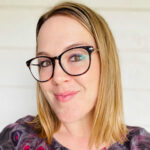 Amanda Beneke, MS, CCC-SLP, LSL Cert. AVT
Amanda Beneke is a Speech-Language Pathologist and a certified Listening and Spoken Language Specialist/Auditory Verbal Therapist. She graduated from the University of Arizona with her master’s degree in Speech, Language and Hearing Sciences in 2009. Since that time, she has worked in different settings across the United States to provide evaluations and speech-language therapy/listening and spoken language services for children of all ages. She utilizes the principles of Auditory Verbal Therapy (AVT) to teach parents and caregivers how to be primary facilitators of their child’s listening and spoken language skills. Amanda has worked with children with cochlear implants (CI), hearing aids, bone-anchored hearing aids (BAHA) and auditory brainstem implants (ABI). In addition, Amanda communicates with families in American Sign Language and Spanish to support the language of the home. She has experience supervising and training graduate students during practicum placements. Amanda volunteered with a nonprofit organization called CLASP International from 2011 to 2019 to develop the field of speech-language pathology in Zambia, Africa. Amanda currently works with the Early Learning Program at Arizona State Schools for the Deaf and the Blind. Amanda loves reading and plants, so in her free time, you will either find her nose in a book or her hands in some soil!
Speaker Disclosure: Amanda Beneke will receive an honorarium and lodging from ArSHA for this presentation.
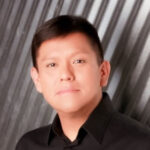 Davis E. Henderson, PhD, CCC-SLP
Davis E. Henderson is an Associate Professor in the Department of Communication Sciences and Disorders at Northern Arizona University. Dr. Henderson is a bilingual Diné (Navajo) speech-language pathologist with extensive clinical experience working with Diné children with speech and language impairments, including children who use Navajo-influenced English. Dr. Henderson serves as Director of the Indigenous, Culturally and Linguistically Diverse (In-CLD) Language Research Lab. His research focuses on Diné linguistics, the development and validation of speech and language assessments for Diné children and the evaluation of their psychometric properties. His scholarship also examines the communication characteristics and experiences of Diné children on the autism spectrum, with an emphasis on culturally and linguistically responsive assessment and clinical practices.
Speaker Disclosures: Davis E. Henderson, PhD, CCC-SLP, will be receiving an honorarium from ArSHA for his presentation.
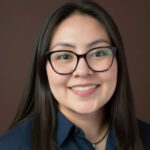 Keona Hosteen, MS
Keona Hosteen is a Diné (Navajo) speech-language pathology recent graduate and research assistant with the Center for Community Health and Engaged Research (CHERC) at Northern Arizona University. She earned her Master of Science in Clinical Speech-Language Pathology from Northern Arizona University. Her work focuses on community-engaged research to advance culturally and linguistically responsive autism services for Navajo communities through qualitative research, community partnerships and participant engagement. She collaborates with tribal communities, families and healthcare providers to support culturally responsive research and clinical practices. Through this work, she aims to improve equitable access to speech-language pathology and related services for underserved communities.
Speaker Disclosure: Keona Hosteen, MS, will be receiving an honorarium and lodging from ArSHA for her presentation.
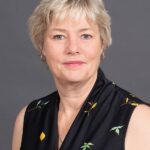 Kelly Ingram, MS, CCC-SLP
Kelly Ingram is a clinical professor at Arizona State University in the MS Communication Disorders program. She has supervised students and provided coordination for student placements for more than 25 years. She has an interest in the science and art of supervision as well as child phonology, adult neurogenics and AAC.
Speaker Disclosure: Kelly Ingram will receive an honorarium and lodging from ArSHA for this presentation. She is an employee of Arizona State University and will mention her place of employment during her presentation.
 Jessica Lasky, CCC-SLP, is a medical speech-language pathologist that specializes in dysphagia, upper airway and laryngeal disorders in the adult and geriatric populations. Jessica has worked in nearly every setting possible from outpatient neuro rehabilitation, stroke and trauma 1 hospitals, acute rehab facilities, and SNFs over the last 15 years. In 2016, Jessica launched a mobile FEES company, Mobile Scope, that provides FEES services throughout the state of Arizona. Jessica is passionate about patient advocacy, evidence-based practice and continuous clinical growth. Jessica is a 5-time ASHA ACE recipient and presents on various topics from dysphagia to delirium all over the United States.
Speaker Disclosure: Jessica Lasky will receive an honorarium and lodging from ArSHA for this presentation.
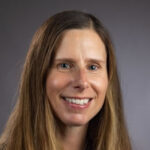 Olivia Lindly, PhD
Olivia Lindly is an Associate Professor in the Department of Health Sciences at Northern Arizona University, where she joined the faculty in fall 2019. Prior to her appointment at NAU, Dr. Lindly completed the Harvard-wide Pediatric Health Services Research Fellowship, based at Massachusetts General Hospital. She earned her PhD in Public Health, with a concentration in Health Promotion and Health Behavior, from Oregon State University; her Master of Public Health, with a concentration in Child and Adolescent Health, from Johns Hopkins University; and her Bachelor of Arts in Psychology from Reed College. Dr. Lindly’s research broadly focuses on advancing maternal and child health, with particular emphasis on children with special health care needs and their families. Her research interests include examining determinants of healthcare access, utilization and health disparities among children with special health care needs; strengthening family capacities, including health literacy, to support child health and well-being; and developing measures of attitudes and behaviors related to child health, such as parents’ use of complementary health approaches for their children. In addition to her academic and research experience, Dr. Lindly has worked in clinical, nonprofit and federal health-related settings. She provided behavioral health services to young children with developmental disabilities and histories of substantiated maltreatment through two nonprofit organizations in Oregon. She also contributed to the evaluation of multisite healthcare improvement initiatives at Altarum Institute and completed a fellowship with the Agency for Healthcare Research and Quality. Collectively, her academic, research and applied experiences inform her commitment to improving health outcomes, healthcare delivery and family-centered supports for children with special health care needs.
Speaker Disclosure: Olivia Lindley, PhD, will be receiving an honorarium from ArSHA for her presentation.
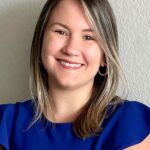 Ivonne Maldonado-De la Rosa, PhD, MLS, CCC-SLP
Ivonne Maldonado-De la Rosa is an Assistant Professor in the Department of Speech-Language Pathology at A.T. Still University. Her clinical and research interests include pediatric feeding and swallowing, social determinants of health, health equity and culturally responsive practice. She is actively involved in professional service and advocacy at the state and national levels, including serving as President-Elect of the Arizona Speech-Language-Hearing Association and in leadership roles with the American Speech-Language-Hearing Association and the Hispanic Caucus. Her work focuses on improving access to services, supporting the profession and preparing future speech-language pathologists to consider the individual, family, cultural and contextual factors that shape clinical care.
Speaker Disclosure: Presenter will receive an honorarium and lodging from ArSHA for her presentation. She is president-elect of ArSHA.
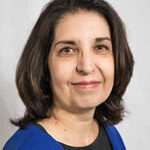 Fe Murray
Dr. Fe Murray, is a clinical professor in the Department of Communication Sciences and Disorders at Northern Arizona University. She has more than 38 years of experience working with culturally and linguistically diverse children and families, with a particular focus on multilingual assessment, language development and equitable evaluation practices. Dr. Murray teaches graduate courses in speech-language pathology, supervises student clinicians and provides continuing education to SLPs on culturally responsive assessment. Her scholarship and clinical work emphasize distinguishing language disorders from language and dialectal variations and improving outcomes for multilingual and dialect-speaking children.
Speaker Disclosure: Fe Murray will be receiving an honorarium from ArSHA for this presentation. She is employed by Northern Arizona University and will reference her place of employment during her presentation. She is a past president and member of several committee with ArSHA.
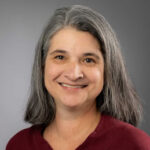
Anna Sosa, PhD, CCC-SLP
Anna Sosa completed her PhD in Speech and Hearing Sciences at the University of Washington in 2008. Prior to joining the NAU faculty in 2009, she worked as a school-based Speech Language Pathologist in Washington State. Her research focuses on the relationship between lexical and phonological development in young children with typical and delayed speech and language development. She has supervised graduate students in the NAU clinic in the areas of speech and language evaluation and treatment in infants and toddlers, speech sound disorder and dyslexia. She currently serves as the Associate Dean for Strategic Initiatives and Partnerships in the College of Health and Human Services at NAU.
Speaker Disclosure: Anna Sosa will receive an honorarium from ArSHA for her presentation. She is employed by Norther Arizona University and will reference her place of employment during her presentation.
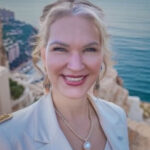 Summer Stout-Bloyer, MS, CCC-SLP
Summer Stout-Bloyer has been a speech language pathologist for 13 years, working in medical settings, school settings and supervising SLPA’s in Home Health. She has been a clinic director, adjunct faculty member in an SLPA program and currently holds a clinical trauma specialist certification, cognitive restructuring certification and is a certified autism spectrum disorder specialist. Summer has four amazing children, loves to be outside and to travel.
Speaker Disclosure: Summer Stout-Bloyer will be receiving an honorarium and lodging from ArSHA for this presentation.
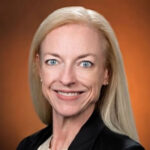 Laura Weinrich, MS, CCC-SLP
Laura Weinrich, is a Clinical Assistant Professor in the Speech-Language Pathology Program at Midwestern University, where she teaches graduate coursework and supervises student clinicians. Her teaching and scholarship focus on professional identity development, clinical values, therapeutic communication and interdisciplinary collaboration. A licensed speech-language pathologist, Laura’s clinical expertise includes pediatric feeding and swallowing disorders, infant feeding and early language development, with experience spanning intensive care and educational settings.
Speaker Disclosure: Laura Weinrich will receive an honorarium and lodging from ArSHA for this presentation. She is an employee of Midwestern University and will mention her place of employment during her presentation.
Exhibitors Attending the Fall Conference
Essential Therapy Solutions
LEARN Academy
StARS Student Therapy
Mariposa Therapy Services
Special thank you to Mariposa for sponsoring the lanyards.
Silent Auction
The Department of Communication Sciences and Disorders is hosting a silent auction during the ArSHA Fall Conference to raise funds in support of clinic scholarships. These scholarships help our department provide no- to low-cost speech therapy services in our clinic!

This course is offered for up to 0.6 ASHA CEUs (Intermediate Level)
Session Qualifying for Certification Maintenance
Participation in the following session will count towards the required professional development hours for ASHA Certification Maintenance in:
Content Area 1-Ethics: S01 (Intermediate Level)
Satisfactory Completion Requirements
Certificates of completion will be awarded after active attendance at the conference, submission of a completed evaluation and submission of a completed assessment of learning. Partial credit is awarded for this continuing education event. A link to the online assessment and evaluation will be provided.
Understanding ASHA Certification Maintenance
Sessions qualifying for the required ASHA Certification Maintenance Professional Development hours in Ethics (Content Area 1) and, Cultural, Language and Identity (CLI), (Content Area 2), are identified under the description of each qualifying session on the website.
ASHA requires the following in each three year-certificate maintenance interval:
One professional development hour in ethics: Content Area 1 (CA1-Ethics)
Two professional development hours in cultural, language and identity: Content Area 2 (CA2-CLI)
View ASHA Professional Development Requirements for Certification Maintenance of the ASHA CCC-A and CCC-SLP: https://www.asha.org/certification/prof-dev-for-2020-certification-standards/
Cancellation/Refund Policy
Cancellations accepted until October 9, 2026. A $25 processing fee will be deducted from registration fees paid.
Professional Conduct and Discrimination Policy
All participants are expected to conduct themselves in professional manor. Please review ArSHA’s Professional Conduct and Discrimination Policy.
Complaint Policy
Questions and concerns should be emailed to the Association Office, arsha@arsha.org. Complaints arising during or after an event, can be filed using the post event evaluation form or by contacting the Association office.
Accessibility Policy
The Association is committed to providing an outstanding experience for all participants at its events. We strive for full access to the activities of these events and accommodations relating to mobility, hearing, vision or other areas may be provided. We ask that requests for reasonable accommodations at the event be made as early as possible, and well in advance of the event, so we may explore options to best meet the individual’s need or provide a resource/suggestion to help meet the individuals’ requirement.
Potential Barriers:
Although we strive to make this event as accessible as possible to all members, some barriers may remain due to financial, logistical, facility, vendor or volunteer/staffing limitations.
If the association is unable to provide an accommodation due to one or more of the reasons stated above and the individual feels attendance is no longer an option, the Association will provide a full refund of the event registration fee.